Autoimmune diseases develop when the immune system decides your healthy cells are foreign. Your immune system then attacks your healthy cells. There are as many as 80 different types of autoimmune diseases and they can affect one or many different types of body tissues and may also cause abnormal organ growth and changes in organ function. The symptoms of many autoimmune diseases are similar, making them difficult to diagnose. It is possible to have more than one at a time. Autoimmune diseases often run in the family and about 75% of those affected are women. Currently, treatment for autoimmune diseases focuses on relieving symptoms because there is no curative therapy. No one is exactly sure what causes autoimmune diseases, but there are many theories about what triggers them. These triggers include – There are many symptoms that could indicate that you have an autoimmune disease. Here are the most common symptoms of autoimmune diseases include – Tissues and organs that are commonly affected by autoimmune diseases include – In order to diagnose an autoimmune disease, the doctor needs to run one of the various tests that are used to diagnose autoimmune diseases or a combination of the tests. The various tests include – Autoimmune diseases are chronic conditions with no cure. The treatment involves attempts to control the process of the disease and to decrease the symptoms, especially during flare-ups. Below is a list of things you can do to alleviate symptoms – If the symptoms persist after you have tried to alleviate them, make an appointment to see your doctor. The doctor can then diagnose your autoimmune disease and prescribe the best course of treatment. Treatment could include – Common Autoimmune diseases –

Warts
A wart is a skin growth caused by one of over 100 types of human papillomaviruses (HPV). HPV infects the top layer of the skin. The virus then causes the top layer of skin to grow rapidly, forming a wart. Within months, most wars go away on their own. Warts are considered to be contagious and although they often only affect one part of the body, they can spread to other areas by picking them. There are different types of warts which include – common warts, plantar warts, periungual warts, flat warts and filiform warts. The different types of warts look different and are found on different parts of the body. Common warts are dome-shaped and found on the backs of fingers, toes and knees. Plantar warts are found on the sole of the foot and grow into the skin, not out of it. Periungual warts grow around or under the nails and can be quite painful. Flat warts arise on the face, thighs or arms, often in large numbers. Filiform warts have a single long stalk and are the same colour as your skin, often growing around your mouth and nose. Most warts have a rough surface and a number of black pinpoint spots that represent small clotted capillaries. There are many methods of treatment for warts. These include – Warts may recur after treatment.
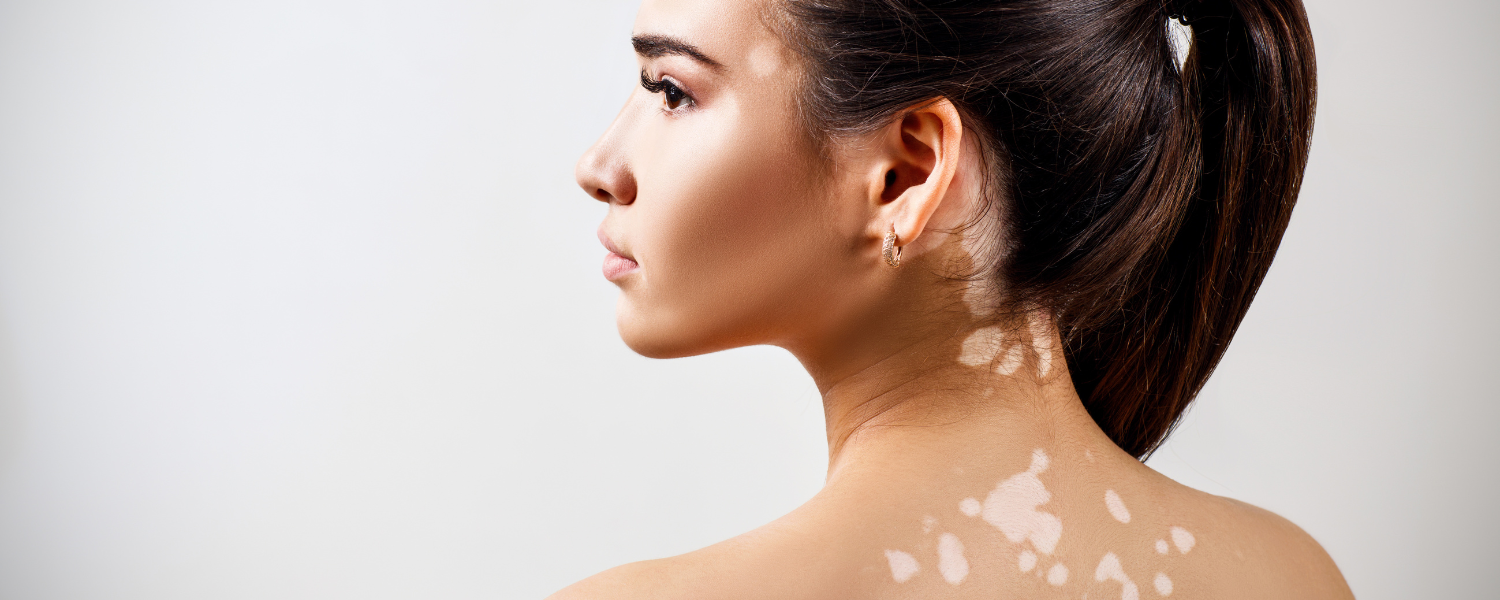
Vitiligo
Vitiligo is a disease that causes the loss of skin colour in blotches. It can affect the skin on any part of your body. Other parts of the body that can be affected are your hair, the inside of the mouth and even the eyes. The extent and rate of colour loss from vitiligo are unpredictable. Vitiligo occurs when the cells that produce melanin die or stop functioning. Often vitiligo appears before the age of 20, but it can start at any age. People of all skins types can be affected, but it is more noticeable in people with darker skin. It is neither life-threatening nor contagious. Doctors don’t know why the cells fail or die, but it may be related to – The main sign of vitiligo is a colour loss that produces light or white patches on the skin. Other signs include whitening or greying of the hair on your scalp, eyelashes, eyebrows or beard, loss of colour in the tissues that line the inside of your mouth and nose, loss of or change in colour of the inner layer of the eyeball, and discoloured patches around the armpits, navel, genitals and rectum. If a doctor suspects you have vitiligo, they will ask about your medical history and do an examination to try to rule out other medical problems. A small sample of the affected skin may be taken and some tests will be done in addition to the examination and gathering of your medical history. Treatment for vitiligo may improve the appearance of the affected skin but does not cure the disease. Medication alone or combined with light therapy can help to improve the skin’s appearance. There are creams that control the inflammation. The creams are easy to use and they are effective. They help return the colour to your skin. Medications that affect the immune system can also be used. Light therapy is also used to help treat vitiligo on the face, trunk and limbs. Laser therapy brings back colour to the light patches by treating them with an excimer laser; however, it can only be used in small areas. Surgery may only be an option for you if light therapy and medication don’t work.

Sweat Reduction
Sweating can be difficult to treat because you have to find the right course of treatment for you. The doctor will generally recommend a non-invasive treatment first. Some doctors will recommend changing your lifestyle a bit to help improve your symptoms. Things that make your sweating worse, like spicy foods, should be avoided. Avoid wearing tight-fitting or restrictive clothing, as well as clothing made from man-made fibres, like nylon. White or black clothing may help reduce the signs of sweating. Use antiperspirant instead of deodorant and get armpit shields that absorb sweat and protect your clothes. Sometimes anxiety can be a factor that makes your sweating worse. In this case, medication may not be prescribed because it may increase the sweating; however, the doctor will recommend that you go for therapy to help with the anxiety. If you have excessive sweating that affects your hands and feet, Iontophoresis may help. The affected areas are treated with a weak electric current passed through water or a wet pad. This helps block the sweat glands. This form of treatment is not painful; it may just cause mild discomfort and possible skin irritation. Special over-the-counter antiperspirants or prescription sprays, lotions, and roll-ons can help control the symptoms of sweating. There are also some medications that can help stop the sweat glands from producing excessive sweat. Some doctors may recommend Botox. Botox injections can temporarily stop the nerves from triggering sweating. This procedure has been approved for the treatment of excessive underarm sweating. A more invasive method of treatment includes surgery.Surgery is usually a permanent solution to excessive underarm sweating. There are a few different surgical procedures a doctor may choose to treat your sweating. One of the procedures is Endoscopic Thoracic Sympathectomy (ETS). ETS is usually used to treat cases of sweating that affect the palms and armpits. This procedure involves making small incisions on the side of the chest cutting or clipping the nerves that control sweating. Another procedure involves removing or destroying the sweat glands. This procedure is generally performed to reduce the sweating in the armpits. The doctor may make an incision in the armpit and scrape away or cut out the sweat glands. The doctor may insert a laser device under the skin through a small incision that will destroy the sweat glands. Alternatively, the doctor may use a probe that is held above the skin, which emits electromagnetic radiation that destroys the sweat glands. These procedures will usually be carried out under local anaesthetic.

Skin Cancer
Skin cancer is a common and locally destructive cancerous growth of the skin. It originates from the cells that line up along the membrane that separates the superficial layer of skin from the deeper layers. The vast majority of these sorts of skin cancers have a limited potential to spread to other parts of the body and become life-threatening. There are three major types of skin cancer: Basal Cell Carcinoma, Squamous Cell Carcinoma and Melanoma. Skin cancers are not considered to be hereditary; however, genetics is important because your skin colour is hereditary. Skin cancers are caused by exposure to UV light, putting fair-skinned people at more risk of getting skin cancer. Skin cancer typically appears on the skin that has been exposed to sunlight repeatedly for many years, such as the nose, ears, back of the neck and the bald area of the scalp. If any of the below-mentioned symptoms are experienced, an appointment with a dermatologist needs to be made to check for the possibility of skin cancer. The most important warning sign for melanoma is any change in size, shape, or colour of a mole or other skin growth. Watch for changes that occur over a period of time. The ABCDE system tells you what changes to look for – A definitive way to determine if you have skin cancer is to have a skin examination done by a dermatologist. A skin biopsy is then done to confirm the diagnosis. A small portion of the tumour is sliced away and then examined under a microscope by a pathologist. There are several effective ways of treating skin cancer. The location and the size of the tumour, the microscopic characteristics of cancer, as well as the general health of the patient determine what form of therapy will be needed. Topical medications can be used in the case of superficial basal cell carcinomas. A fast, easy, and relatively inexpensive method of treatment is destruction by electrodesiccation and curettage. The more expensive and complicated procedure to remove skin cancer would be surgical excision. Mohs micrographic surgery is the treatment of choice for tumours where normal tissue preservation is vital, where the tumour margins are poorly defined, in tumours that have been previously treated and have recurred, and in certain high-risk tumours. For patients who are not candidates for surgical procedures, radiation therapy is recommended. Early detection of skin cancers can lead to better outcomes. If you have any moles or spots that are suspect, see a dermatologist for a skin cancer screening.

Rosacea
Rosacea is a common, chronic, incurable, acne-like skin condition that is easily controllable and medically manageable. There are four subtypes of rosacea and each subtype has its own set of symptoms. Rosacea may be mistaken for rosy cheeks, sunburn, or quite often, acne. It can be bothersome and embarrassing. The symptoms of rosacea differ according to the subtype of rosacea. The most common symptoms include – The symptoms of rosacea tend to come and go. The skin may be clear for a while and then erupt again. The exact cause of rosacea has not been determined. A combination of hereditary and environmental factors may be the cause. Many things are known to trigger or make the symptoms of rosacea worse. These include – Rosacea is generally diagnosed based on the red or flushed facial skin appearance and symptoms. In most cases, no specific tests are required for the diagnosis. Many people don’t even realise that they have rosacea. The facial redness of rosacea may be transient and come and go very quickly and many people may not associate the flushing symptoms with a medical condition. If rosacea is left untreated, it tends to worsen over time. In the rare case that the dermatologist cannot confirm the diagnosis of rosacea based on the redness of the facial skin, a skin biopsy may be done. Blood tests are not usually required but may be used to help exclude less common causes of facial blushing. Because there is no cure for rosacea, treatment focuses on controlling the signs and symptoms. Often this requires a combination of skincare and prescription treatments. The medications that the dermatologist prescribes will depend on what signs and symptoms you’re experiencing. Prescription treatments include medications that reduce redness, oral antibiotics, and isotretinoin. Laser therapy may help to reduce the redness of enlarged blood vessels. Dermabrasion, intense pulsed light therapy, and electro-surgery may also be used to treat the signs and symptoms of rosacea.
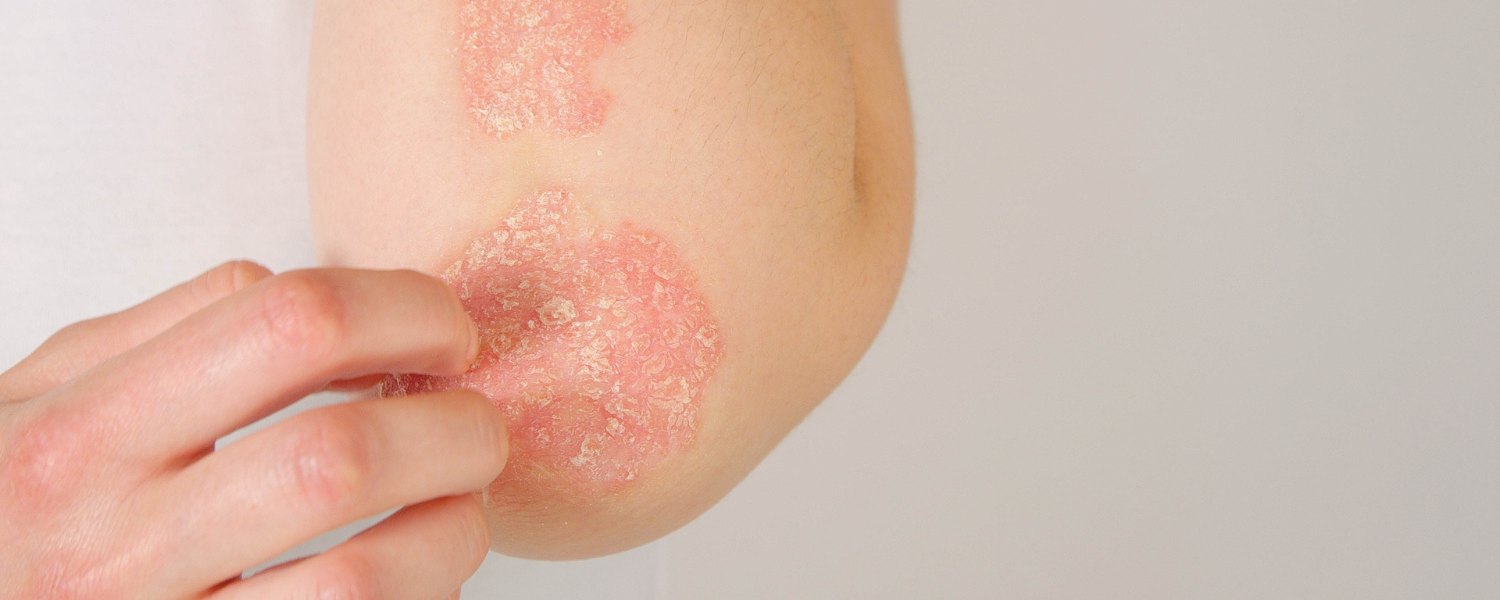
Psoriasis
Psoriasis is a skin disorder, which is an autoimmune disease. Psoriasis causes cells to build up rapidly on the surface of the skin. The extra skin cells form thick, silvery scales and itchy, dry, red patches that are sometimes painful. It typically occurs on the knees, elbows, and scalp, as well as on the nails and it can also affect the torso, palms, and soles of the feet. Psoriasis can also be found on the eyelids, ears, mouth and lips, and in skin folds. If you are experiencing one or more of the following symptoms, you should make an appointment to see your doctor – The causes of psoriasis include – A variety of factors can cause an episode of psoriasis, including anything from trauma and emotional stress to streptococcal infection. The key cause of psoriasis is said to be some abnormality in the immune system. There are no special blood tests or tools to diagnose psoriasis. A dermatologist usually examines the affected skin and determines if it is psoriasis. If the symptoms are unclear or if your doctor wants to confirm their diagnosis, a biopsy may be done with a small skin sample. Psoriasis can be mild, moderate, or severe. Treatment will depend on how severe your psoriasis is. The severity of psoriasis is based on how much of your body is affected. Topical treatments, such as moisturisers, over-the-counter and prescription creams, and shampoos, are generally used to treat mild psoriasis. Moderate to severe psoriasis usually involves using a combination of treatment strategies to treat it. Light therapy may be prescribed along with topical treatments. Light therapy or topical treatments are often used when psoriasis is only limited to a specific part of the body. If it is widespread or greatly affects your quality of life, a doctor might prescribe oral or injectable drugs. Most types of psoriasis go through cycles, flaring for a few weeks or months, then subsiding for a time or even going into complete remission.

Nail Fungus
Fungal infections can affect any part of the body. When a fungus begins to overgrow, you can get an infection. Onychomycosis is a fungal infection that affects either the fingernails or the toenails. It begins as a white or yellow spot under the tip of your fingernail or toenail. As the fungal infection goes deeper, nail fungus may cause your nail to discolour, thicken and crumble at the edge. Nail infections occur more often in men than in women, and they are found in adults more often than in children. Nail fungus is typically caused by a dermatophyte fungus. Yeasts and moulds also can be responsible for nail fungal infections. You’re more likely to develop a fungal infection if you – Symptoms of nail fungus include – If the condition is mild and does not bother you, you may not need treatment. If the nail fungus is painful and has caused the nail to thicken, self-care steps and medication may help. Even often successful treatment, nail fungus could come back. If self-care strategies and over-the-counter products haven’t helped, your doctor may suggest a combination of prescription drugs and other approaches.
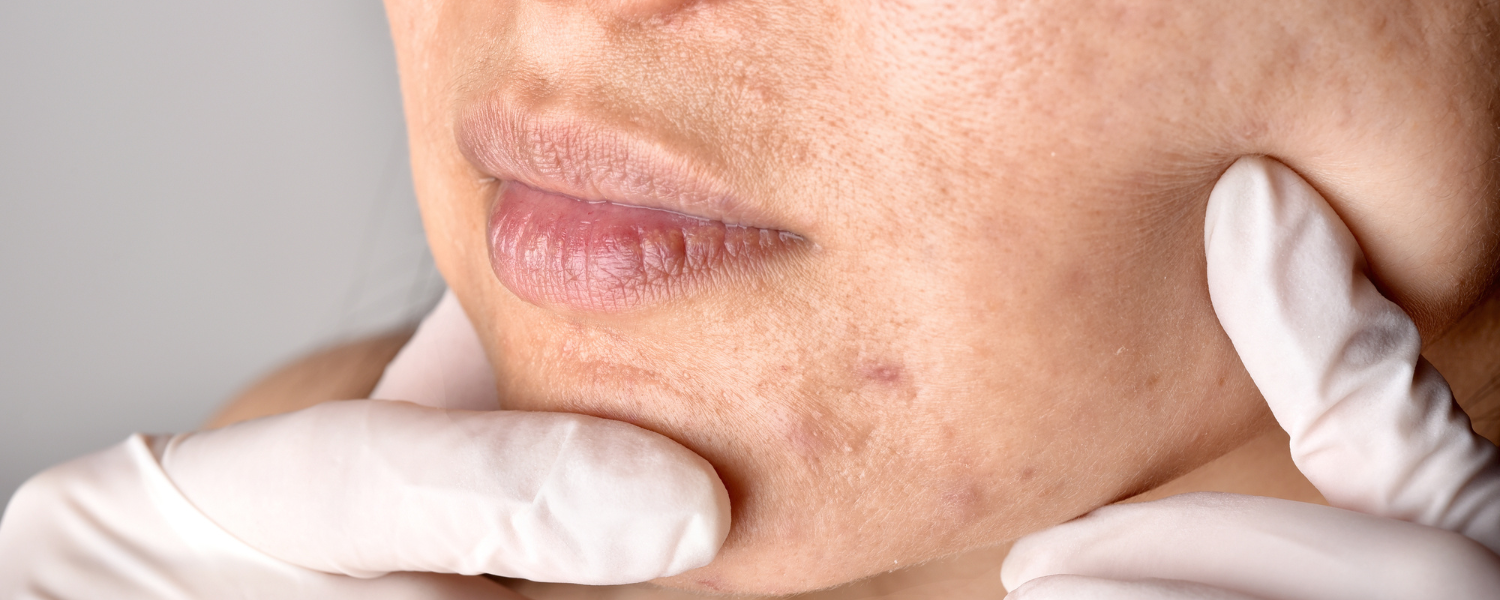
What is the difference between acne scars & large pores?
Taking care of our skin is an essential part of staying healthy. However most of the time, we don’t exactly understand what our skin wants or needs. Therefore we unknowingly use the incorrect products and skincare regime that best suits each individual’s needs. Aside from knowing what your skin needs, it is imperative that we also educate and drive knowledge on common misconceptions and misunderstandings when it comes to taking care of your skin. One of the major uncertainties comes with understanding the difference between acne scars and large pores. All of us have pores on our skin that help in releasing toxins from our body through perspiration and keep the skin supple and soft. Generally, people with acne-prone, oily, and combination skin experience large pores. There can be various reasons and conditions for getting large pores on the skin. Some of which are listed below – Firstly, it’s important that we understand what acne scars are and what causes them. Acne scars are shallow and deep depressions on the skin that appear after a severe acne breakout. This type of scar is caused when the dermis is damaged during an acne infection. In response to damage, our body makes collagen fibres around the area of infection. Although new skin tissue can have imbalanced levels of collagen, that ultimately causes scars. The confusion between large pores and acne is common because they are closely interrelated. The major difference is that large pores are caused by excessive production of sebum. Whereas acne cannot lead to large pores. There are a few common ways to treat acne scars and large pores. Both of which help in enhancing the appearance of the skin. Two ways to treat are micro-needling and laser rejuvenation. Contact our practice to set up a consultation to see what is the best route to address your skin concerns.

Understand Your Childs Eczema
As parents, we can all understand the heartache of seeing your child suffer from eczema. It’s an extremely common condition where the skin gets. Irritated, red, dry, bumpy, and itchy. Often, we don’t know where to start or how to manage the discomfort your child is experiencing. This blog post is to provide a short and clear understanding of eczema and how best to manage it with children. First and foremost, what are the signs and symptoms of eczema? Symptoms can also vary based on your child’s age bracket. For instance, infants usually experience an eczema rash on their cheeks, forehead, or scalp. It may then spread to the knees, elbows, and trunk (but not usually the diaper area). Older kids and teens, usually get the rash in the bends of their elbows, behind the knees, on their neck, or on their inner wrists and ankles. While there is no exact knowledge of what could be causing eczema, it is commonly understood that the person’s immune system and allergies may be involved in some forms of the rash. How can Eczema be treated?While there is no set cure, there are multiple treatments to manage the symptoms, some of which are topical and others oral. Other types of treatment include phototherapy which is a treatment with ultraviolet light. Finally a few helpful tips for parents – Children and teens with eczema are prone to skin infections. Call your doctor right away if you noticed any early skins of skin infection such as –