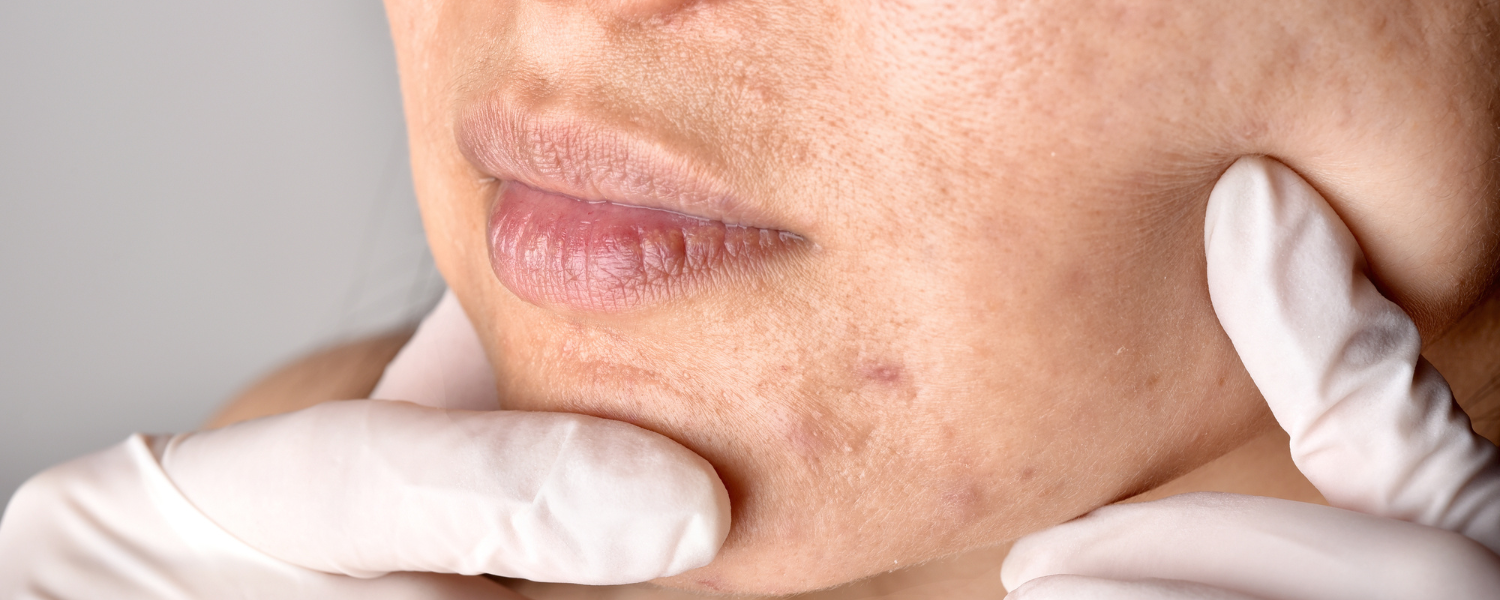
Taking care of our skin is an essential part of staying healthy. However most of the time, we don’t exactly understand what our skin wants or needs. Therefore we unknowingly use the incorrect products and skincare regime that best suits each individual’s needs. Aside from knowing what your skin needs, it is imperative that we also educate and drive knowledge on common misconceptions and misunderstandings when it comes to taking care of your skin. One of the major uncertainties comes with understanding the difference between acne scars and large pores. All of us have pores on our skin that help in releasing toxins from our body through perspiration and keep the skin supple and soft. Generally, people with acne-prone, oily, and combination skin experience large pores. There can be various reasons and conditions for getting large pores on the skin. Some of which are listed below – Firstly, it’s important that we understand what acne scars are and what causes them. Acne scars are shallow and deep depressions on the skin that appear after a severe acne breakout. This type of scar is caused when the dermis is damaged during an acne infection. In response to damage, our body makes collagen fibres around the area of infection. Although new skin tissue can have imbalanced levels of collagen, that ultimately causes scars. The confusion between large pores and acne is common because they are closely interrelated. The major difference is that large pores are caused by excessive production of sebum. Whereas acne cannot lead to large pores. There are a few common ways to treat acne scars and large pores. Both of which help in enhancing the appearance of the skin. Two ways to treat are micro-needling and laser rejuvenation. Contact our practice to set up a consultation to see what is the best route to address your skin concerns.

Understand Your Childs Eczema
As parents, we can all understand the heartache of seeing your child suffer from eczema. It’s an extremely common condition where the skin gets. Irritated, red, dry, bumpy, and itchy. Often, we don’t know where to start or how to manage the discomfort your child is experiencing. This blog post is to provide a short and clear understanding of eczema and how best to manage it with children. First and foremost, what are the signs and symptoms of eczema? Symptoms can also vary based on your child’s age bracket. For instance, infants usually experience an eczema rash on their cheeks, forehead, or scalp. It may then spread to the knees, elbows, and trunk (but not usually the diaper area). Older kids and teens, usually get the rash in the bends of their elbows, behind the knees, on their neck, or on their inner wrists and ankles. While there is no exact knowledge of what could be causing eczema, it is commonly understood that the person’s immune system and allergies may be involved in some forms of the rash. How can Eczema be treated?While there is no set cure, there are multiple treatments to manage the symptoms, some of which are topical and others oral. Other types of treatment include phototherapy which is a treatment with ultraviolet light. Finally a few helpful tips for parents – Children and teens with eczema are prone to skin infections. Call your doctor right away if you noticed any early skins of skin infection such as –
Melasma
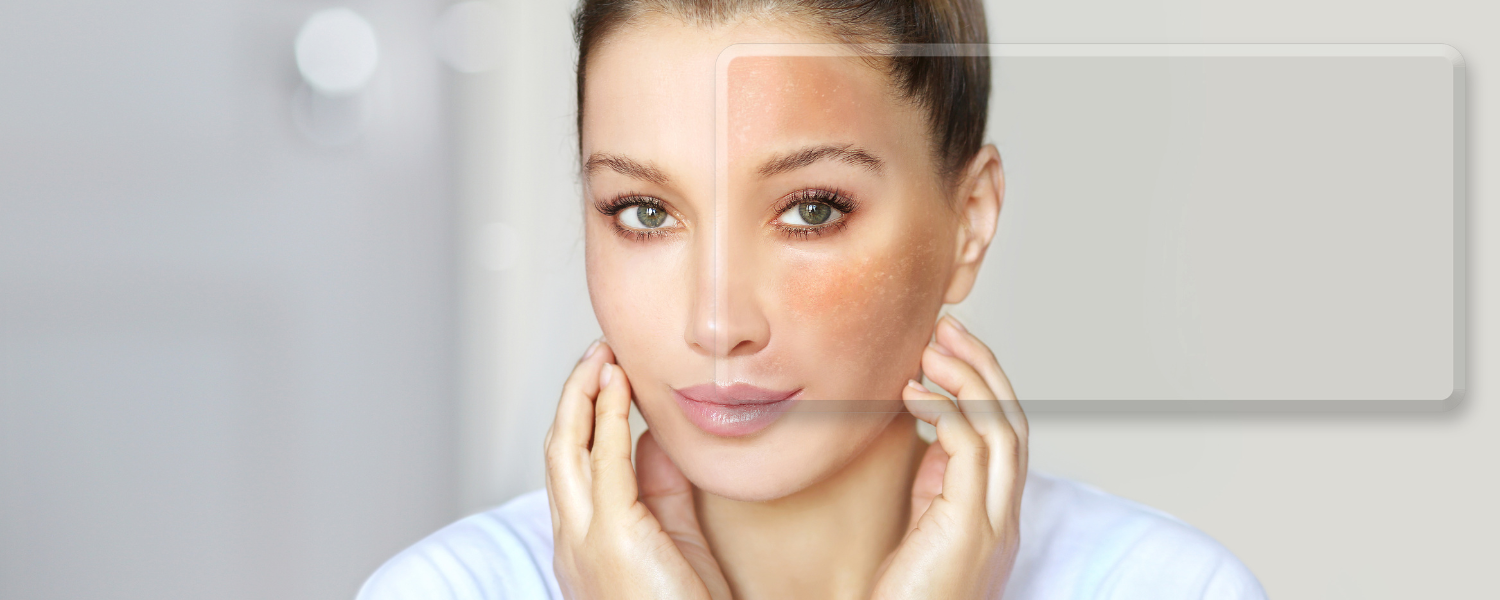
Melasma is a very common patchy brown, tan, or blue-grey facial skin discolouration, usually seen in women in the reproductive years. It can affect both genders and any race, but it is more common in women, and people with darker skin types who live in sunny climates. Melasma typically appears on the upper cheeks, upper lip, forehead, and chin of women 20-50 years of age. The exact cause of Melasma remains unknown. Experts believe the dark patches in melasma could be triggered by several factors, including pregnancy, birth control pills, hormone replacement therapy, family history of melasma, race, antiseizure medications, and other medications that make skin more prone to pigmentation after exposure to UV light. Uncontrolled sunlight exposure is considered the leading cause of melasma, especially in individuals with a genetic predisposition to this condition. Individuals typically develop melasma in the summer months, when the sun is more intense. For some women, melasma disappears on its own.There are some creams that your doctor can prescribe that can lighten the skin. Sometimes topical steroids are prescribed to help lighten the affected areas. Possible options for treatment include chemical peels, dermabrasion, and microdermabrasion if the creams do not work. It is not guaranteed that melasma won’t come back after treatment. You have to go for follow-up visits and follow certain skin treatment guidelines to reduce the risk of the melasma returning. Sometimes melasma can be very slow to respond to treatment, especially if it has been present for a long time.
Melanoma Detection
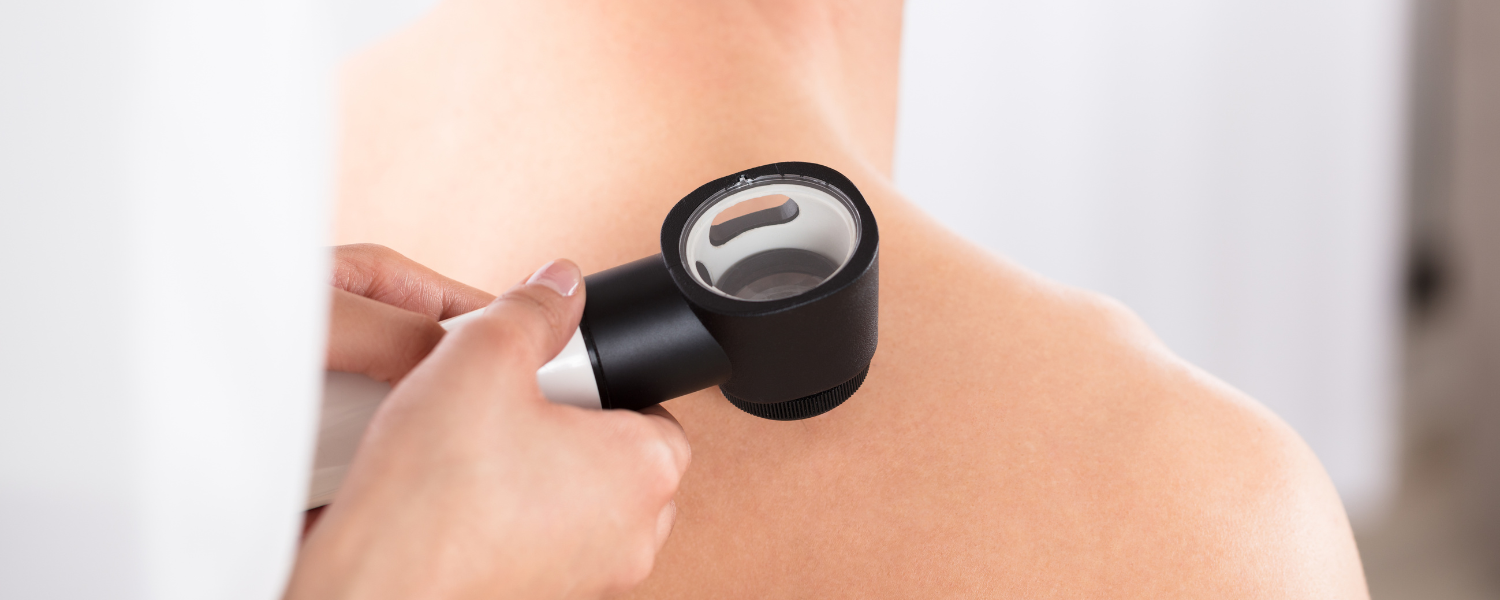
Anyone can get Melanoma. Early detection is critical because melanoma is aggressive. If Melanoma is found early enough it can almost always be cured using surgery. A thorough self-examination once a month and a visit to a dermatologist once a year can help with detecting melanoma early. During your self-examination check your entire body for any moles or discolouration that look new or different. Make sure to do the self-examination in a well-lit room in front of a full-length mirror. For those hard-to-see areas, use a hand-held mirror. Examine all areas of your body, including your palms and soles, scalp, ears, nails, and back. If you find any spots on the skin that are new or changing in size, shape, or colour, make an appointment to see your doctor as soon as possible. The dermatologist will check for suspicious moles or lesions on your entire body when you go for your yearly check-up. A photographic record of certain moles may be kept, so any changes can be tracked. A full-body photo may be taken so moles can be tracked over time and new ones can be seen more readily. This is sometimes known as mole mapping. Many dermatologists use a technique called dermatoscopy to look at spots on the skin more clearly. People who are at higher risk of melanoma should see a dermatologist on a regular basis. If detected early a simple and painless surgical excision under local anaesthetic is all that is needed to get rid of a dangerous mole. Melanoma generally starts out by spreading on the superficial layers of the skin. Once the melanoma starts to penetrate into deeper layers of the skin, curability drops 50% and procedures such as invasive surgery and chemotherapy will usually be needed.
Excessive Sweating
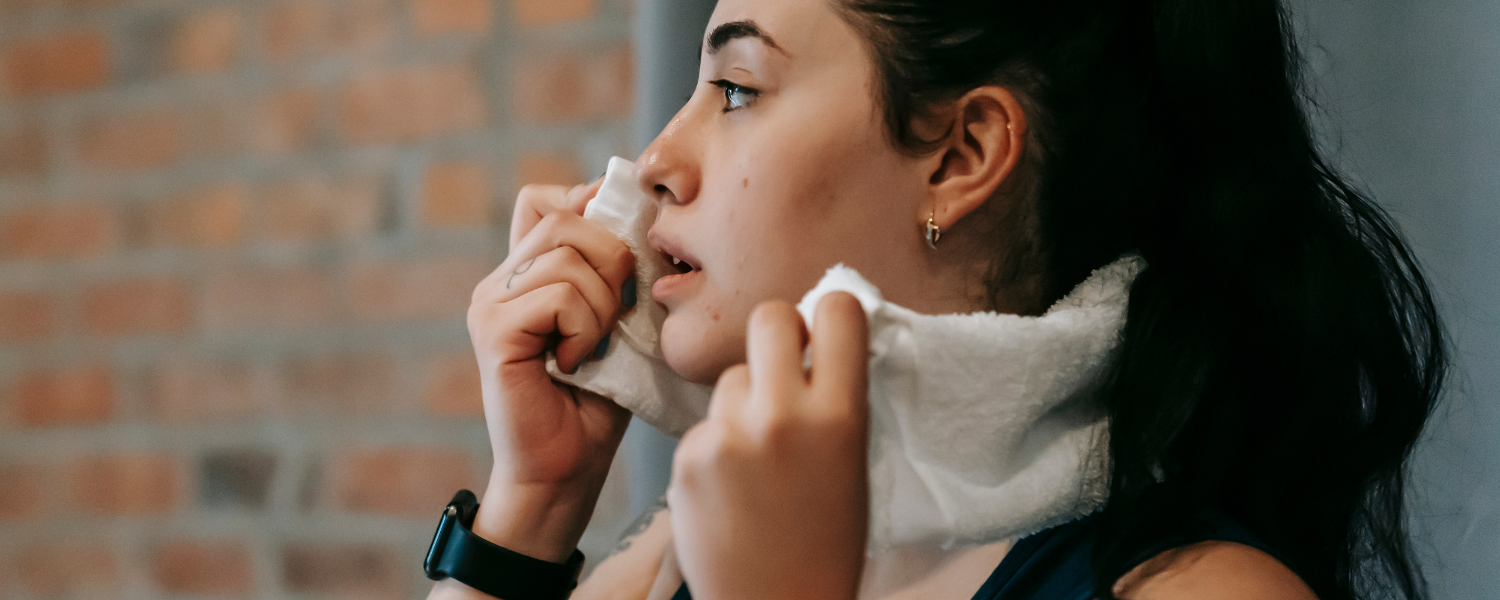
Sometimes excessive sweating is a sign of a medical condition. It may be a warning sign of thyroid problems, diabetes, or infection; however, most cases of excessive sweating are harmless. Excessive sweating is more common in people who are overweight or out of shape. Excessive sweating is generally when you sweat heavily for no reason. There are two types of excessive sweating, also known as hyperhidrosis. The two types are – Localised HyperhidrosisThis type of hyperhidrosis usually starts in childhood or adolescence. It does not cause any illnesses, you just sweat excessively. Localised hyperhidrosis is not a sign of disease or drug interaction. The symptoms are fairly specific – Generalised HyperhidrosisGeneralised hyperhidrosis is a less common form of hyperhidrosis that causes sweating all over the body, not just on the hands or feet. This type of hyperhidrosis is more serious medically and is generally caused by something, such as an underlying health condition. One of the major symptoms of generalised hyperhidrosis is excessive sweating at night. Excessive sweating in women can be triggered by – If you have the following symptoms, you should make an appointment to see your doctor as soon as possible. The two types of hyperhidrosis are treated differently.Localised Hyperhidrosis is easier to treat because it is only the excessive sweating that needs to be cured. There are no underlying conditions to complicate the procedure. Treatment includes: Localised Hyperhidrosis is easier to treat because it is only the excessive sweating that needs to be cured. There are no underlying conditions to complicate the procedure. Treatment includes – Generalised Hyperhidrosis treatment is a little more complicated because the condition that is causing excessive sweating needs to be treated. Sometimes the underlying condition can’t be cured. The symptoms of the underlying condition then need to be treated.

Eczema
Eczema is a nonspecific term for many types of skin inflammation. There are different categories of eczema, which include allergic, contact, irritant, and nummular eczema. It is very common and it is generally manageable. It is common for babies and children to develop eczema on their faces. Often eczema goes away as a child grows. Adults can develop eczema even if they never had it as a child. Eczema is more common in children who suffer from asthma or hay fever. People with family members who have eczema are also at higher risk of developing the condition. There are 11 different types of skin conditions that produce eczema. The symptoms of eczema include the following – You may experience all of these symptoms of eczema or only just one or two. The exact cause of eczema is unknown. It is thought to be linked to an overactive response by the body’s immune system to an irritant. It is the response that causes the symptoms of eczema. An eczema flare-up is when one or more eczema symptom appears on the skin. Common triggers of eczema flare-ups include – To diagnose eczema, the doctor will order a complete physical exam and ask you questions about your symptoms. There is no specific test that can be used to diagnose eczema. In most cases, a patch test is used to pinpoint certain allergens that trigger symptoms, like skin allergies associated with contact dermatitis. During a patch test, an allergen is applied to a patch that is placed on the skin. If you are allergic to that allergen, your skin will become inflamed and irritated. It is important to distinguish the different causes of eczema because effective treatments often differ. Oral over-the-counter antihistamines may relieve itching. They work by blocking histamine, which triggers allergic reactions.Cortisone creams and ointments relieve itching and scaling. But they should not be used long-term because of the side effects, which include thinning of the skin, irritation, and discolouration. If there is an infection, the doctor may prescribe an antibiotic.
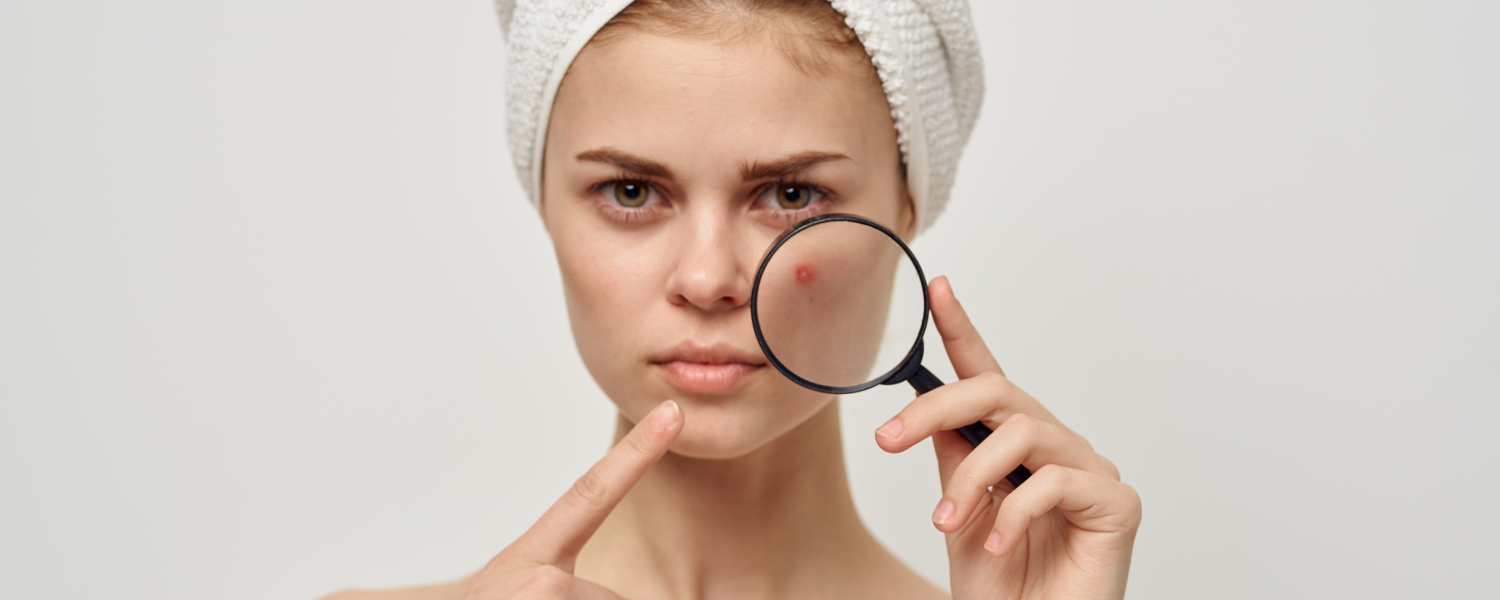
Acne Treatments
Acne is NOT caused by a bad diet or greasy foods. In fact, acne develops when the sebaceous glands in a person’s skin produce excess oil (sebum). The oil combines with cells that line the gland walls and clog the skin’s pores. Normal skin bacteria colonise these pores, and the body’s response causes the inflammation or reddening of the skin that we associate with acne. Acne more commonly affects people between the ages of 12 and 25 and more so boys than girls. The face is usually the most affected area, but acne may also affect the back, neck, and chest. In most cases, acne is treatable. Treatments for Acne What is Aktilite Photodynamic therapy?One of the key bacteria responsible for the inflammation is Propionibacterium acnes or P.acnes. These bacteria produce natural chemicals called porphyrins, which are sensitive to light at different wavelengths. If stimulated, these chemicals will neutralise the bacteria and with no bacteria, present inflammation will subside. Aktilite blue stimulates these chemicals and so eradicates the bacteria that cause the redness or inflammation of acne. This is combined with Aktilite revive, which has anti-inflammatory properties. This helps to minimise the redness of acne lesions and promotes healthier skin. More aggressive treatment can be given by combining a photosensitive cream with light. How safe is this treatment?The light is safe and harmless to your skin and generates no heat. The light works naturally with your body to promote the healing response. The only safety measure is to wear goggles to protect your eyes from the light. If used in combination with the cream some redness and crusting may follow. What result can be expected from a series of treatments?Optimum results will be seen between 4-8 weeks after treatment. The light stimulates natural processes that continue after the treatment has stopped. On average you should expect 70% of lesions to clear. We suggest that light therapy be used in conjunction with salicylic acid. Your adviser can discuss this combination treatment with you. There is no pain!Because there’s no heat involved. If used in conjunction with ALA–cream, mild discomfort may be experienced. What happens during treatment?You will have to remove any make-up or sunblock before the treatment and you will be asked to wear some safety goggles. The light will then be positioned close to your face and the treatment will last 20 minutes. After that, you’re free to go home.